



The Innovation Assembly Line: The Case of Zhermack
The assembly line was one of the greatest innovations of the modern era. Introduced into the manufacturing world by Henry Ford in 1913, it significantly reduced production times, leading to substantial cost savings. To put it into perspective, thanks to the introduction of the assembly line, the production time for a single vehicle was slashed from 12 hours to just one hour.
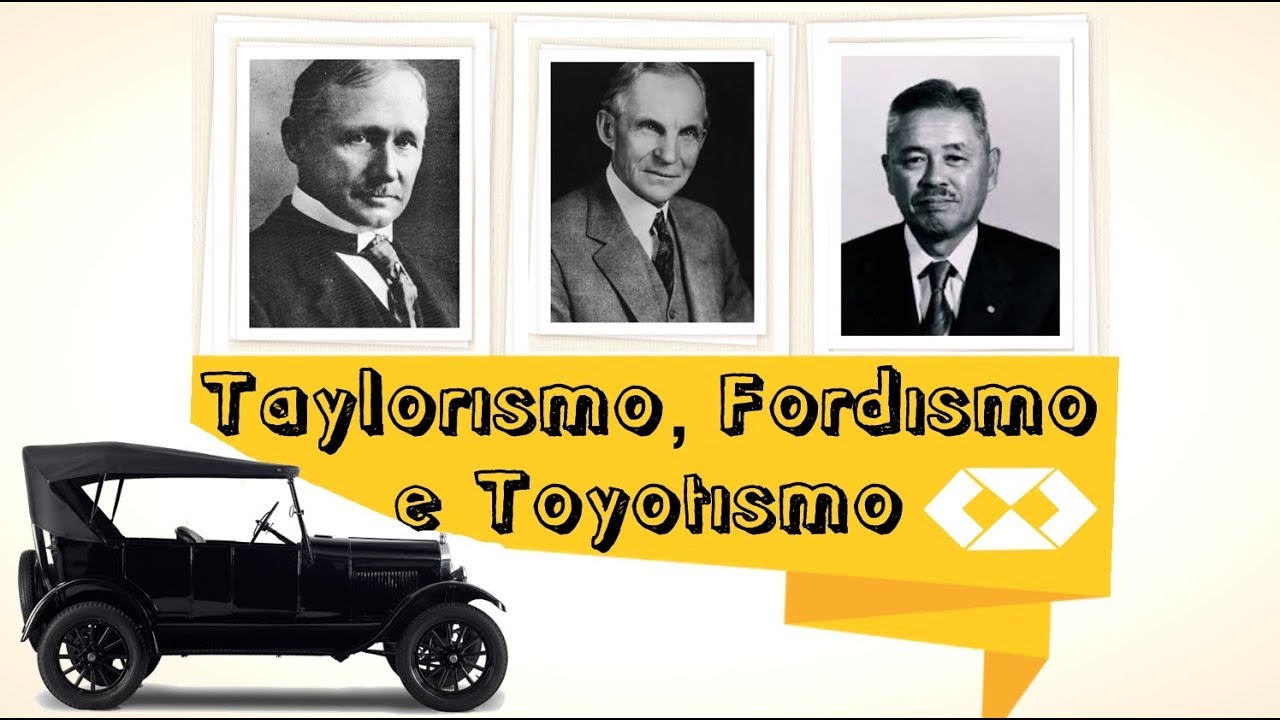
In his book ‘Today and Tomorrow,’ Ford preached the importance of creating a continuous flow of materials throughout the assembly line, standardizing processes, and eliminating waste. However, his factories, and Western factories in general, failed to fully realize this vision of flow and standardization.
The Japanese, and Toyota in particular, took the concepts of Fordism, reinterpreting and integrating them with the key elements of Lean Production. From a lean perspective, the goal is not to maximize the productivity of individual workstations, which leads to the creation of inventory and waste, but to synchronize the various production cells to create a waste-free flow with the lowest possible inventory levels.
As a result, the spread of these concepts throughout the manufacturing sector has progressively enhanced process performance, reducing production lead times while increasing product quality.
Innovating the Innovation Process
What is now a well-established reality in manufacturing remains, unfortunately, a mere mirage in the realm of innovation. The reality before our eyes is quite bleak: in the innovation process, lead times for new ideas and products are extremely long and unpredictable, and process performance – measured, for instance, in terms of revenue generated from innovations – is usually disappointing.
However, it is possible to change and significantly improve your innovation system, transforming it into the equivalent of an assembly line.
This is precisely what Zhermackchose to do. For over 35 years, Zhermack has been one of the leading international manufacturers and distributors of alginates, stones, and silicone compounds for the dental sector, with subsidiaries in Germany, Poland, and the United States, and representative offices in various countries worldwide.
Zhermack has always focused heavily on innovation. However, the company was not fully satisfied with the results it was achieving. In addition, it took about 15 months to move from an initial idea to the official launch of a development project.
Given an average development time of 24 months, it took more than three years to get from the initial concept to the market launch.
The entire process was therefore reviewed and overhauled according to the core logic of a lean innovation system, one capable of generating high-impact innovations in a scalable, sustainable, and replicable manner.
The Innovation Team and the Cadence of Exploration
It is widely known that to identify high-impact innovation opportunities, one must look at reality differently than everyone else.
Zhermack operates across several businesses organized into platforms: Impression, Laboratory, Hygiene, Restorative, and Industrial & Wellbeing. Each platform serves distinct customers with specific needs.
Innovation teams were created, one for each platform, bringing together all the necessary expertise to identify impactful new proposals: from Marketing and Sales to Production, R&D, and Clinical Affairs. Each team consists of 8 to 10 people.
Crucially, each team meets every four months, following a schedule defined at the beginning of the year for the entire year. This establishes a steady cadence for the process, allowing teams to explore various high-impact innovation opportunities.
Each 4-hour meeting follows a standard agenda defined in a dedicated OPL (One Point Lesson):
- sharing the exploration path
- generating impactful proposals in small groups
- sharing outcomes with the wider team
- selecting the proposals to move forward into the next phase.
Between 8 and 15 innovation proposals emerge from every single meeting.
Solution DNA: The Essence of the Innovation Proposal and Capitalized Knowledge
From each exploration session, the team uses a heat map to select the five ideas with the greatest potential.
These are then assigned to three-person sub-teams with the goal of developing each idea into an impactful proposal, one that defines not only product-related elements but also business models and customer experience.
The sub-teams are allocated a standard amount of time (specifically, 8 hours per person) to complete these activities.
The proposal is then formalized and mapped out in a standard format called the ‘Solution DNA’, representing the very essence and DNA of the solution they wish to develop.
This approach gives even the ideas furthest from the current core business the opportunity to be further elaborated and developed, allowing them to be evaluated later with more information at hand. In fact, some ideas initially deemed weak by the team have turned into flagship projects thanks to subsequent refinements.
All proposals developed into a Solution DNA are archived, building a repository of capitalized knowledge that anyone within the organization can leverage at any time.
Concept Paper
The most promising Solution DNAs are further developed into concept papers, referred to as ‘Pitches.’ These outline the value proposition, the strategic reasons for developing that specific solution, and the criteria it must meet to succeed. This phase is extremely important as it aligns different functions and surfaces potential critical issues and roadblocks that could heavily derail project execution if discovered only at an advanced stage. Furthermore, it empowers the team to take full ownership of their work, highlighting the direct correlation between their choices and the outcome.
The Innovation Lead Time
After one year of implementing the new process, the company has achieved significant results:
- A robust pipeline of wide-ranging innovations, with more than 60 ideas generated, 35 Solution DNAs developed, 5 pitches presented, and 4 approved for development
- A 50% reduction in the average time from initial idea to project kick-off (dropping from 15 months down to 7 months)
While the process can still be further refined, the results are already highly encouraging.
Furthermore, this new “innovation production line” has prevented several types of waste typically found in the innovation realm, enabling:
- the leveling of innovation activities, thanks to exploration sessions and rhythmic meetings scheduled for the entire year. This helps “protect” the space dedicated to innovation from daily fire-fighting and operational priorities, eliminating waste caused by workload fluctuations.
- the ability to consider ideas that are furthest from the current core business. Thanks to the concept of the Minimum Effective Dose, the team has the autonomy to select which ideas to move forward to the next step – whether it is a Solution DNA or an Innovation Pitch – and can choose to allocate time to promising, even if not yet fully matured, concepts.
- an increase in people’s Energy. Developing proposals through cross-functional teams with a high degree of decision-making autonomy facilitates a swift and effective exchange of information, enhancing process transparency. As a result, each team feels empowered to positively impact the development of the proposals, which has an extremely positive effect on motivation and employee energy.
Article written by:

Gabriele Colombo
Know How & People Development
He has developed his skills especially in the field of innovation according to the logic of design driven by applying the concepts in the area of research and development in companies of international character. He was responsible for the definition, planning and execution of research and consultancy programmes related to the world of innovation and continuous improvement; His experience is added to the role of teacher of Project Management and Innovation Management in courses dedicated to business executives at the School of Management of the Politecnico di Milano.
Partner of Lenovys since 2021.
Read more


Upcoming events