



Businesses that make a difference
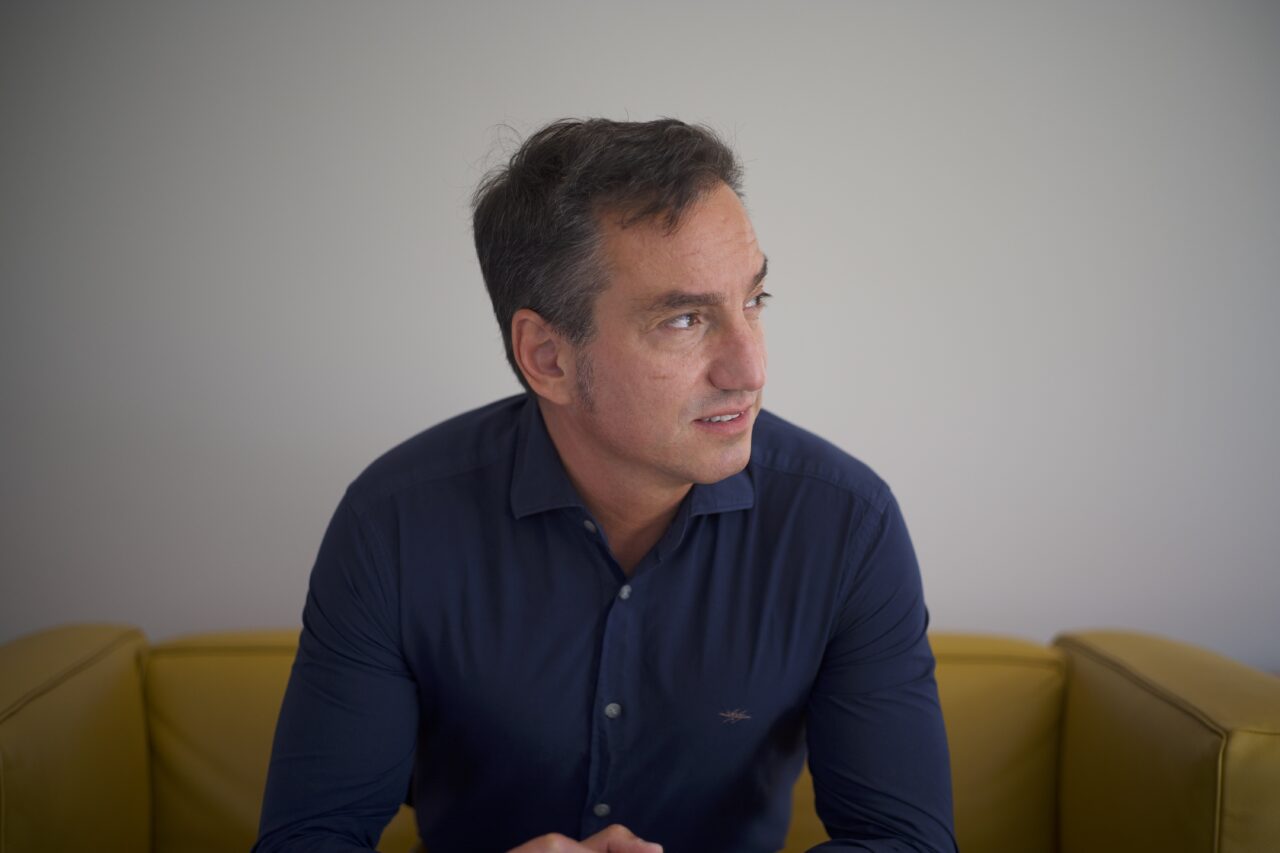
“Despite significant technological progress, it is becoming increasingly complex for companies to systematically generate customer value, high-impact innovation, and sustainable growth strategies. Moreover, despite all the communication tools and productivity methodologies at our disposal, intellectual work has increasingly become a source of stress and burnout.”
Luciano Attolico
Leaving a mark is becoming increasingly difficult for companies. But even for individuals, it has become a challenge to leave a mark in their professional (and private) lives.
The ways we carry out daily business activities, especially intellectual ones, are proving to be outdated and ineffective in tackling the complexity and rapid changes currently underway.
In fact, we are witnessing a constant and seemingly inevitable decline in the human ability to achieve results in proportion to the effort invested.
Working hard, but poorly, struggling immensely just to stay on a “hamster wheel” that keeps spinning faster.
In an extensive survey conducted by Lenovys on a sample of approximately 8,000 Italian managers (service sector), administered during a training program on Agile and Lean logic in the intellectual field, some of the most significant data emerged: 65% of respondents work more than 8 hours every day, and half of them also work for several hours during weekends.
Furthermore, 90% of respondents admitted to working late into the evening to avoid interruptions and distractions, aiming to complete their tasks to the best of their ability.
People are working more to offset the effects of ineffective interaction methods, lack of focus, and constant exposure to interruptions. Confirming this, 40% of managers state they are unable to define 1-2 daily priorities, and only 32%, even when they do succeed in setting them, actually manage to complete them by the end of the day.
Never before have entrepreneurs and managers been called upon, as they are today, to simultaneously generate maximum value for the company, the market, society, and the environment, while implementing work methods that ensure a better quality of life for people.
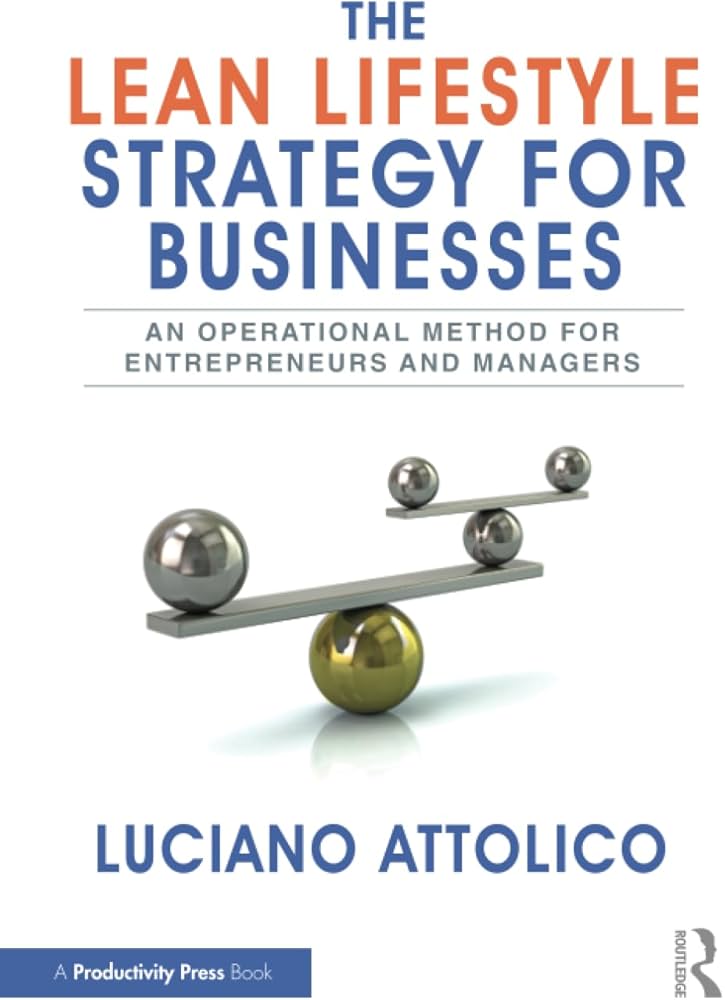
In the new book “Strategia Lean Lifestyle” written by Luciano Attolico and published by Hoepli, and now available in English under the title “The Lean Lifestyle Strategy for Businesses” (Productivity Press 2024) a response to this apparent contradiction is provided through examples, tools, step-by-step methodologies, and numerous testimonials from entrepreneurs and managers who reveal the “behind-the-scenes” of successful cases.
It is a journey that begins with awareness. “One does not become excellent by doing everything – Attolico writes – A manager must learn to distinguish service activities from value-added ones, and necessary tasks from those that represent waste. This first step leads to lifting one’s head out of the sand and regaining control over one’s activities, consciously deciding if and how to allow interruptions and external communication flows to influence our actions. It is not simply about effectively managing one’s time or, worse, trying to fit everything into the available hours (which, obviously, will never be enough). Nor is it just about learning focus techniques. Instead, it is about identifying priority activities and ‘protecting’ them from distractions and interruptions, those essential tasks required to simultaneously achieve greater work results and improved well-being.”
From Lean Thinking to Lean Lifestyle
Through numerous applications and testimonials, the book outlines a new corporate model: the Lean Lifestyle Company, an organization that strives to create maximum value while fully expressing its human, technological, and organizational potential.
“The proposed corporate model is rooted in Lean Thinking, the Toyota-born philosophy designed to increase value and reduce waste and addresses the most overlooked category of waste in business: that related to people, extending even to the strategic governance of the company itself. My goal is to combine long-term vision with operational pragmatism, evolving Lean Thinking into Lean Lifestyle and transforming it into a strategic weapon for the organization.
This shift in focus stems from a simple observation. Unlike the era when Lean Thinking was born, work in our companies has become increasingly ‘intellectual,’ performed mainly from offices or homes using computers, tablets, or smartphones. While significant progress has been made in the manufacturing world in recent years, very little has changed in the way people actually work, despite the integration of technology across all sectors.
By eliminating waste in our work methods and enhancing the potential of human capital, we will have people who are more effective, efficient, satisfied, and motivated, with greater well-being. Consequently, companies will experience a new harmony that fosters and accelerates overall growth and performance.”
Read more