


Turning SAP implementation challenges into success: the Busi Group case study
Indice
For many companies, adopting an ERP system like SAP is a crucial but complex journey that requires a balance of strategic vision, change management, and technical expertise.
The case of the BUSI Group, a leading Brescia-based company in urban hygiene and waste management solutions, provides a concrete example of how an uncertain start can be transformed into a successful project through targeted intervention and effective governance.
The Busi Group and the Challenges of Implementing SAP
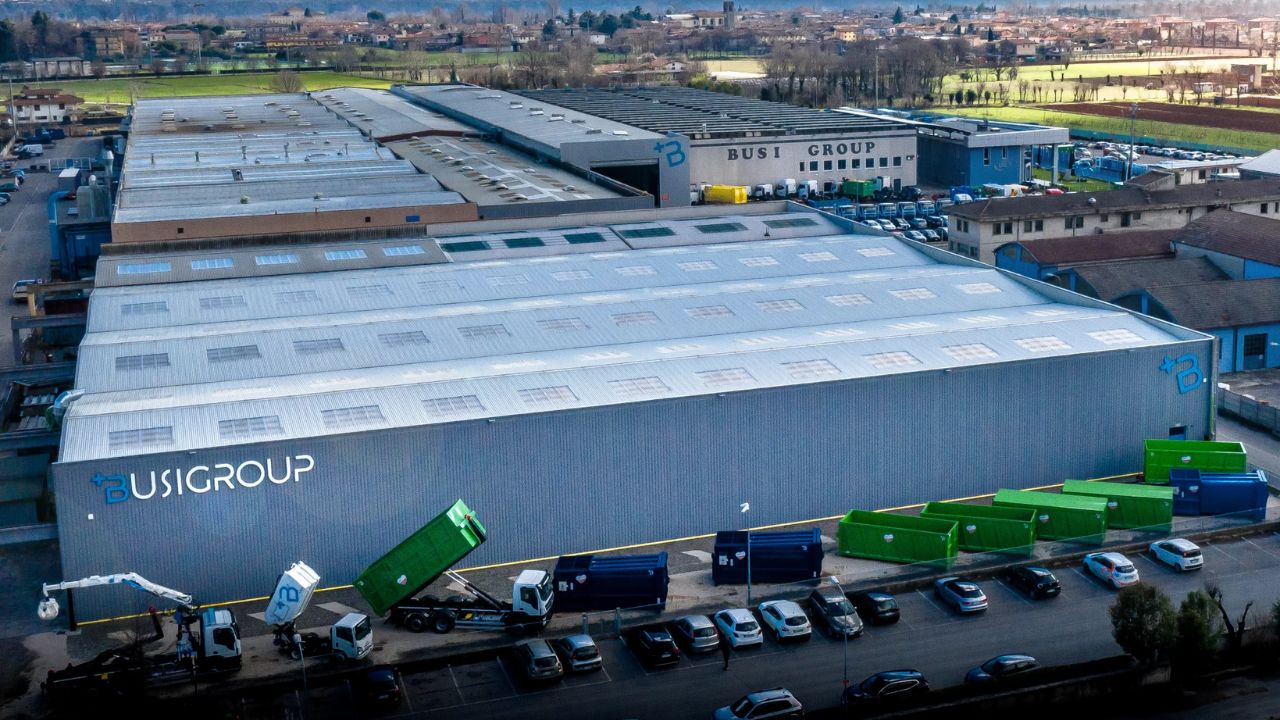
The Busi Group is known to produce compactors, skips and their trailers for urban, agricultural and industrial waste. In addition, it manufactures bins and light vehicles for municipal waste collection.
In recent years, it has embarked on an ambitious digitalization journey, initiating the progressive implementation of SAP in the Group’s various plants.
The “Go Live” of the new ERP system in the first plant (a project in which Lenovys was not involved) had brought to light numerous critical issues, of an operational and organizational nature, due to inadequate training of people, and ineffective data management.
This uneasy situation persisted for weeks, forcing the company to operate out of system, before it was able to normalize the process and operations.
A non-isolated situation: according to Panorama Consulting, 50% of ERP projects exceed the planned budget, and 40% of companies struggle to effectively adopt the new system. (Source: https://www.founderjar.com/erp-statistics/)
Lenovys’ intervention
To break out of this impasse and successfully prepare for the next phases of the project, the BUSI Group decided to rely on Lenovys and prepare the company for future implementations.
Our intervention followed a structured and targeted approach, divided into several key phases:
Task force to break the impasse of the first “Go Live”
We immediately established a working group, across all company functions, to collect, analyze and, with problem-solving tools, resolve all the issues that emerged from the first “Go Live”.
In addition, a system of KPIs was activated to monitor the correct evolution of activities and new daily and weekly routines were established to monitor and resolve any process, or organizational, malfunctions that emerged daily.
According to a McKinsey study, companies that track project KPIs are 2.5 times more likely to achieve success in ERP implementations.
The case of the BUSI Group confirms this: within a few weeks, the company regained stability and was able to confidently reschedule subsequent rollouts.
Initial Evaluation and Assessment
Subsequent Rollouts began with an initial assessment that aimed to identify critical issues and provide guidelines for adequately preparing the plants that had yet to perform the “Go Live”.
This process included in-depth interviews with teams from other Group companies (OMB and MEC) to understand the organizational and technical maturity and database analysis of the different companies to understand their consistency with SAP needs and obviously the level of “data cleansing”.
The result was a detailed report that highlighted priority actions to be taken to prepare people, the organization and processes for the new ERP.
Project Governance and Change Management
A key element of our approach was the activation of dedicated governance, capable of coordinating internal and external actors, with weekly and monthly routines that allowed us to monitor compliance with deadlines and the quality of deliverables.
Lenovys worked hand in hand with the managers of the areas involved (the IT team, the system integrator and the company management) to ensure that each phase of the project was well coordinated and implemented, that responsibilities were clearly defined and lived.
The project also faced corporate restructuring, with the merger of a subsidiary. This required a complete rethinking of intercompany and intragroup flows, successfully managed through careful process review.
The governance strategy put in place by Lenovys handled the following themes:
Technical Implementation and Solution Design
The technical part of the implementation was handled by the system integrator, with a hybrid Agile approach.
According to a Gartner study, 75% of ERP projects fail to deliver the full expected benefits, often due to inadequate change management and poor planning. . [source: https://www.keevee.com/erp-statistics]
This demonstrates the importance of a structured approach: to ensure success, companies must be supported not only by a system integrator but also by a partner experienced in process management and Change Management.
Acting as a catalyst of processes and facilitator of change, Lenovys planned the solution design part through sprints of analysis of various themes.
In particular:
Results and Benefits
A key element of the success was the commitment shown by the internal BUSI Group team during the crucial phases of the project. Area managers, key users, and all involved staff spent as much time as necessary learning how to master the new processes, participating in training sessions and system testing. This commitment has allowed us to approach go live with greater confidence and competence.
The professional growth of the internal team was evident, and the ability to adapt and be proactive in resolving small daily issues contributed to stabilizing the system and maintaining business continuity.
Conclusions and Lessons Learned
The case of the BUSI Group demonstrates that the success of an ERP project depends not only on the technology adopted, but on the ability to govern change.
Three elements proved decisive:
- Clear and structured governance: with a clear separation of roles between technical and organizational partners
- Active Change Management: Overcoming Resistance and Transforming Corporate Culture
- Data Readiness: Accurate data preparation has dramatically reduced post-Go Live errors and corrective activities
The investment in training and in-house skills development has created a specialized team, capable of independently managing the complexities of the new ERP system. This approach supported the project’s success and laid the foundation for long-term sustainable growth, creating in-house expertise that represents a lasting competitive advantage for the company.
The cultural transformation that has taken place within the Busi Group testifies to how people’s commitment can transform a technological challenge into an opportunity for organizational growth.
The ERP is no longer just a management tool, but a strategic enabler to meet the challenges of a rapidly changing market.
In conclusion, the Busi Group case demonstrates that, despite initial challenges, a structured approach and effective governance can transform an ERP implementation project into a strategic and successful asset.
Articolo a cura di:

Gianluca Losi
Director
He has held senior management positions in major multinational companies and since 2002 he develops and advises on important Lean/Six Sigma and TPM transformation projects in different product sectors. He has coordinated and developed numerous consulting and training projects in both the Lean and TPM fields in Italy and abroad. Thanks to the long experience gained in consulting, he has acquired the ability to guide people and teams towards achieving objectives in multicultural and multinational contexts, collaborating synergistically with all levels of the company. He has developed excellent business planning and resource management skills to achieve increasingly challenging goals.

Michele Bergamaschi
Director
Management consultant with almost 20 years of experience in business digitalization and ERP transformation projects. Extensive and consolidated knowledge of the issues and problems of Supply Chain, with particular focus on the processes of Planning, Sales, Distributions
and Purchasing. He has the technical skills necessary to create integrated models in order to fully structure the potential of the supporting information system.
Read more



Prossimi eventi